📚 ROVQ blog
Practical articles for fleet owners and project managers: how to measure, where money leaks, and how to raise efficiency and safety.
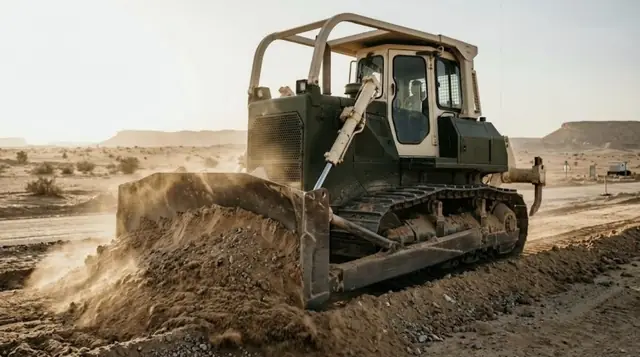
A maintenance schedule built on the hour meter: what to check daily and every 250, 500, 1000 and 2000 hours — and how to adjust it for Saudi dust and heat.
Details →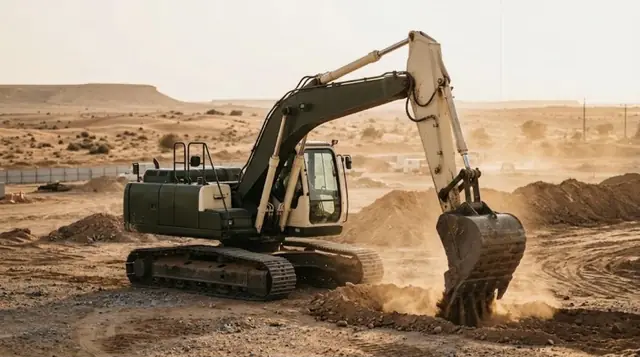
Before you sign an excavator rental in Buraydah, Unaizah or Ar Rass: the right size, operator, fuel, transport, breakdowns and insurance — questions that save money and delays.
Details →
Buying an excavator or loader is a big decision. A simple way to compare renting with buying based on real utilisation, project length and hidden costs.
Details →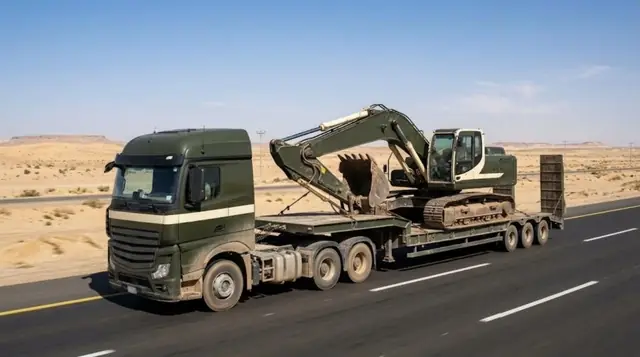
Fuel is usually the biggest variable cost in a fleet. Seven practical steps you can start this week to control consumption and catch waste.
Details →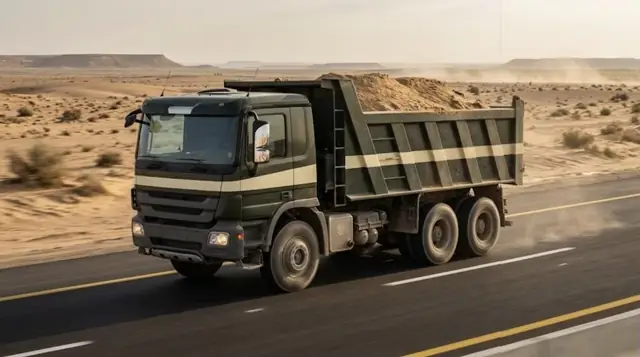
When is managing your fleet in-house cheaper, and when is contracting an operations company smarter? Clear criteria and a simple formula to help you decide.
Details →
A practical pre-shift checklist for excavators, loaders and dump trucks, why photo documentation matters, and how to make the inspection a daily habit.
Details →A day of downtime costs more than the repair bill. A simple way to work out the real cost of heavy equipment and truck downtime — and how to reduce it.
Details →
A practical guide to calculating fleet and heavy equipment availability, with a worked example, common mistakes and how to raise it to 90% or more.
Details →