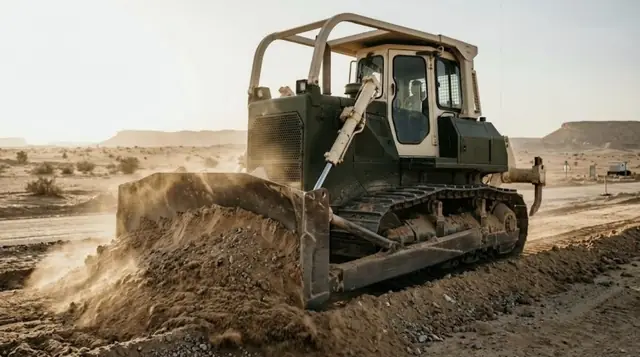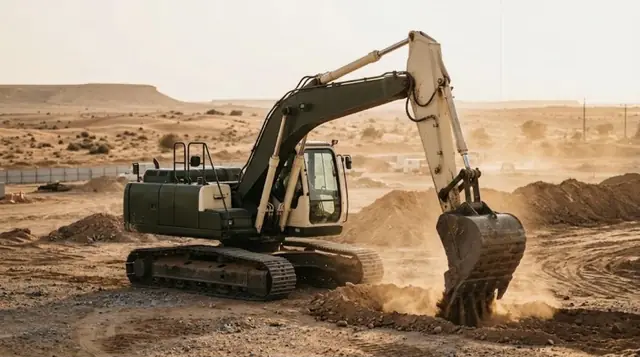
Buying a heavy machine ties up capital for years. On the other hand, continuously renting a machine you need every day can cost more in the long run. The right decision depends on one question before anything else: how much will the machine actually work?
The true cost of ownership
- Instalments or frozen capital, and depreciation over time.
- Insurance, registration, periodic inspection and permits.
- Maintenance, spare parts and tyres.
- The operator, training and housing — even on days without work.
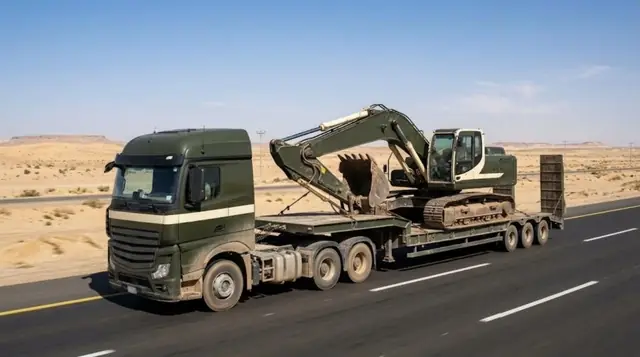
- Storage and transport between sites.
When is renting cheaper?
- The project is temporary or its length is uncertain.
- Usage is intermittent — the machine would sit idle for many days between jobs.
- You need a machine type for one phase only (such as excavation or paving).
- You don't want to carry maintenance, breakdowns and operator logistics.
When does buying make sense?
- Near-daily use for years, with steady, clear contracts.
- You have organised maintenance and operations capacity — or a partner who runs it for you.
A quick formula
Monthly cost of ownership ÷ actual working days per month = cost per working day of your own machine
Compare that number with the daily or monthly rental rate. If your machine only works 10 days a month, its cost per working day can come out far higher than renting.
The third option: own it and let someone else run it
If you already own equipment, you can raise its utilisation with professional operations management — or offer it for rent when you don't need it. At ROVQ you can rent a machine and see the price instantly, or have us operate your equipment and raise its availability.